Pathway to College
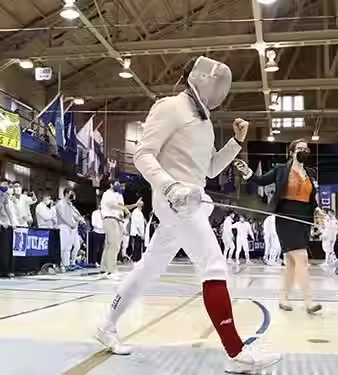
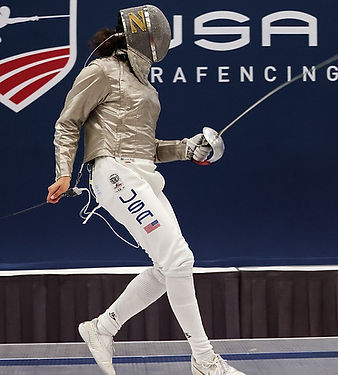
At Boston Fencing Club, we believe fencing is more than just a sport — it’s a pathway to lifelong opportunities. Many of our athletes go on to compete at top universities across the country, whether through highly competitive NCAA programs or vibrant collegiate club teams.
Pathway to Fencing in College
Build a Strong Foundation
-
Start with consistent training and competition experience (local → regional → national)
-
Develop both technical skills and sportsmanship — colleges look for athletes who are team players.
Understand College Fencing Options
-
NCAA Programs – Highly competitive, recruited athletes, full collegiate team experience.
-
Club Fencing Teams – Open to more students, competitive opportunities through the USACFC and regional circuits.
-
Many schools have both NCAA and Club teams!
Recruitment Timeline
-
Freshman/Sophomore Year: Focus on building results, attending regional/national events, and improving ratings.
-
Junior Year: Create a fencing résumé, connect with coaches, visit campuses, and attend showcase events.
-
Senior Year: Sign with a program (if NCAA) or prepare to join club fencing after acceptance.
What Colleges Look For
-
Competitive results (ratings, national points, regional success).
-
Academic strength — fencing coaches need student-athletes who can balance both.
-
Commitment and character — teamwork, resilience, leadership.
Class Descriptions
Fence for Fun
-
Appropriate for ages 5–7, this class teaches the basics of fencing using plastic gear. Students learn footwork, basic fencing terminology, and basic tactics through games, drills, and fencing. This is a great introduction to the sport for young beginners. This class meets once per week and is offered on Monday, Wednesday, or Saturday.
Learn to Fence
-
Appropriate for ages 7–12, this class introduces kids to the basics of fencing using real gear. Students learn footwork, fencing terminology, basic tactics, and begin to choose which weapon they would like to pursue. Instruction includes warm-up games, drills, and fencing. Students typically complete several months of this class before moving up to Youth Competitive. This class can be taken once or twice per week and is offered Tuesday, Thursday, or Saturday.
Youth Competitive
-
Appropriate for ages 10–13, this class is a step up in experience and commitment from our Learn to Fence class. While students are not required to compete, they are encouraged to begin entering local and regional competitions. Students must choose one weapon to focus on, and it is recommended they sign up for one private lesson per week. Classes include warm-up, footwork, conditioning, tactics, strategy, and open bouting. This class can be attended up to four times per week and is offered Monday through Thursday.
Pre-Competitive
-
Pre-Competitive
Appropriate for ages 13 and up, this class offers one night per week of our competitive training. It is ideal for advanced fencers who cannot commit to full competitive training or who are transitioning between Youth Competitive and Competitive levels.
Competitive
-
Appropriate for ages 13 and up, this class is geared toward advanced fencers training for competition. Movement into this class must be approved by coaches. Training includes warm-up, footwork, conditioning, tactics, and drills. It is recommended that students take two private lessons per week alongside this class. This class can be attended as often as it is offered.
-
Competitive Épée meets Monday, Tuesday, and Thursday
-
Competitive Foil meets Tuesday, Wednesday, and Thursday
-
Competitive Sabre meets Monday, Tuesday, Thursday, and Friday
Adult Learn to Fence
-
Appropriate for ages 14 and up, this class teaches the basics of fencing including footwork, blade work, and tactics. It is ideal for true beginners or those returning to the sport after several years. This class meets once per week and is offered on Monday and Saturday.
Success Stories from BFC
Recent graduates have gone on to fence at schools like:
-
Harvard University
-
Northeastern University
-
Boston College
-
Columbia University
-
Brandeis University
-
Northwestern University